When a room feels dark and gloomy, it can affect your mood and make the space less inviting. Whether your room lacks natural light or just feels a bit dull, there are plenty of quick ideas to brighten it up without a full renovation. In this blog post, we’ll explore practical ways to bring more light, color, and energy into a dark room. These tips are easy to implement and can make a significant difference in how your space looks and feels.
Understanding Why Your Room Feels Dark
Before diving into solutions, it helps to know why a room might feel dark:
– Limited natural light: Small windows, shaded areas, or rooms on the north side of the house receive less sunlight.
– Dark wall colors or flooring: Deep hues absorb light rather than reflect it.
– Heavy or dark furniture: Bulky, dark-colored furniture can make a space feel heavier.
– Poor lighting choices: Insufficient or badly placed light sources reduce the overall brightness.
Now let’s look at ways to fix these issues.
1. Maximize Natural Light
Bringing in natural light is the best way to brighten a room.
Clean Windows and Window Treatments
Start by giving your windows a thorough cleaning. Dirt and grime block sunlight and make the room look dimmer.
Choose light, airy curtains like sheer or linen fabrics that allow sunlight to filter through. Avoid heavy drapes or dark blinds that block light during the day.
Use Mirrors to Reflect Light
Mirrors bounce natural light around a room, doubling its brightness in some cases. Place a large mirror opposite a window or near a light source to maximize effect.
Decorative mirrors also add style and can make a room feel larger and more open.
2. Choose Bright and Light Colors
Color plays a huge role in how a room feels.
Paint Walls White or Soft Neutrals
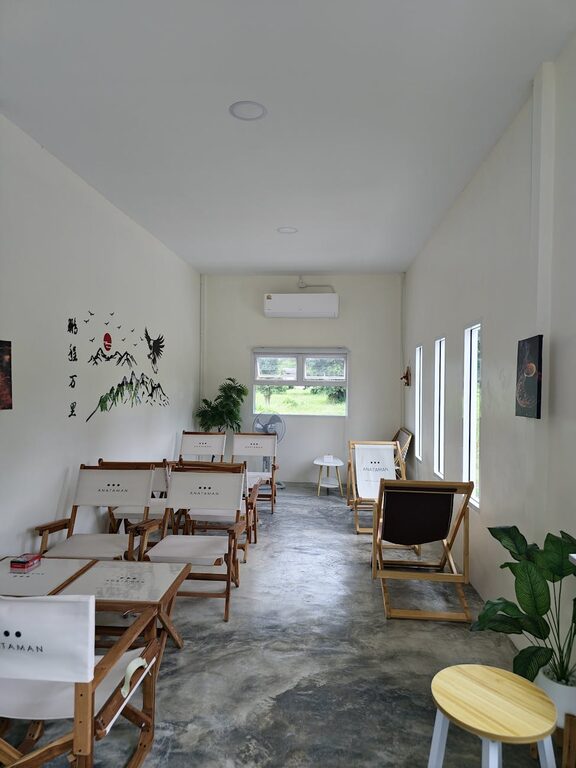
Light walls reflect more light and visually open up a space. White, cream, pale grey, or soft pastel hues work well to brighten a dark room.
If you prefer color, go for shades with a light base such as soft yellow or sky blue.
Use Light-Colored Flooring and Rugs
Dark floors absorb light. If changing flooring isn’t possible, add light-colored rugs or runners to brighten the area and add warmth.
3. Improve Artificial Lighting
Good lighting layers are essential when natural light is limited.
Combine Ambient, Task, and Accent Lighting
– Ambient lighting: The main source of light like ceiling fixtures or recessed lights.
– Task lighting: Focused lighting for activities, like desk lamps or kitchen under-cabinet lights.
– Accent lighting: Decorative lights such as sconces, string lights, or picture lights to add interest and depth.
Using multiple light sources prevents shadows and evenly lights the room.
Switch to Bright, Warm Bulbs
Choose LED bulbs with a color temperature around 2700K to 3000K. They provide a warm glow without being too harsh, creating a cozy atmosphere while brightening the room.
4. Lighten Up Furniture and Accessories
Heavy, dark furnishings can make a room feel heavy and closed in.
Opt for Light-Colored or Transparent Furniture
Furniture in white, light wood, or soft pastel tones reflects more light. Glass or acrylic pieces also help maintain an open feel by reducing visual weight.
Add Bright Accessories
Throw pillows, blankets, and artwork in vibrant colors bring energy and brightness. Metallic accents like gold or silver can reflect light and add sparkle.
5. Declutter and Organize
A cluttered space can feel darker and smaller.
Keep Surfaces Clear
Clear countertops, tables, and shelves to allow light to bounce freely.
Choose Minimalist Storage Solutions
Using hidden storage or baskets can keep the room orderly without adding bulky furniture.
6. Incorporate Plants and Nature Elements
Greenery can brighten a room both visually and in atmosphere.
Select Low-Light Plants
Plants like pothos, snake plants, or ZZ plants thrive with limited sunlight and add life to the space.
Use Light-Colored Pots and Planters
Choosing white or pastel pots helps maintain a bright look.
7. Use Reflective and Glossy Surfaces
Surfaces that reflect light create the illusion of brightness.
Consider Glossy Paint or Tiles
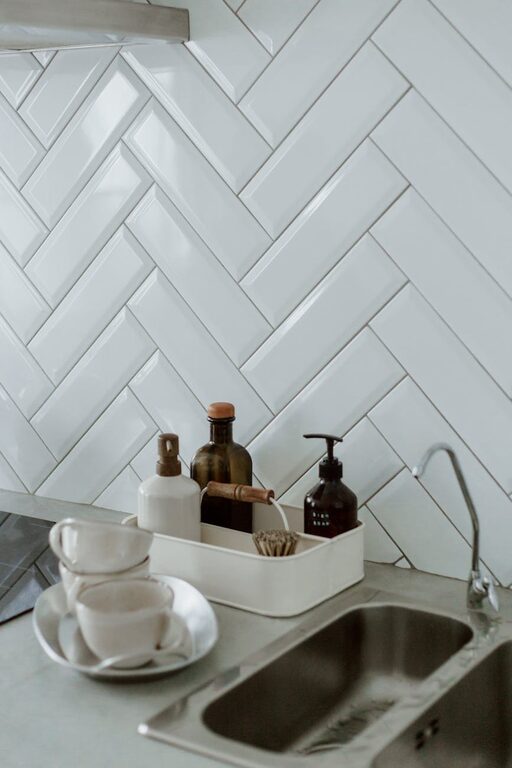
Glossy finishes on walls, backsplashes, or furniture surfaces bounce light.
Add Metallic or Glass Decor
Lamps, vases, or picture frames with reflective materials enhance light distribution.
Final Thoughts
Brightening a dark room doesn’t require major construction or expensive fixtures. Simple changes like adjusting lighting, choosing light colors, using mirrors, and decluttering can transform any space into a warm, cheerful environment. Try these quick ideas to bring more light and life into your dark rooms today!