
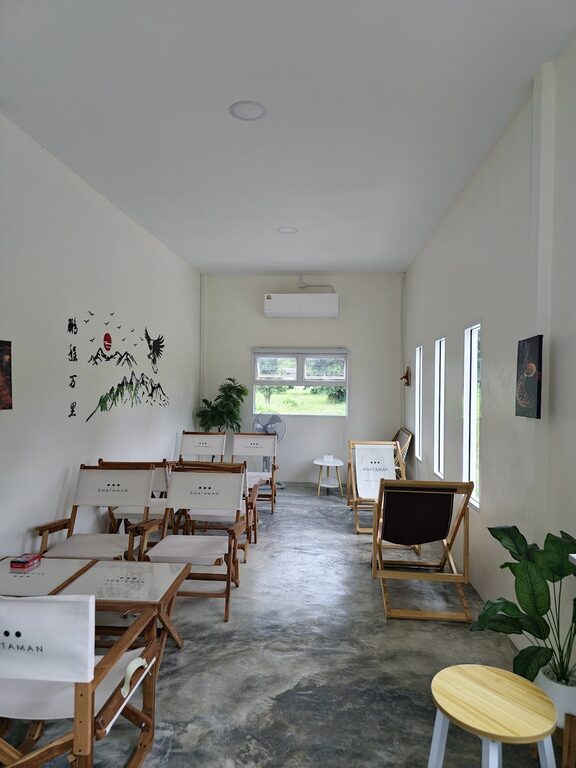
A dark room can often feel gloomy and unwelcoming, making it hard to relax or stay productive. Fortunately, brightening a dark space doesn’t require a full renovation or expensive upgrades. With a few thoughtful adjustments and creative touches, you can transform dim, shadowy rooms into bright, cheerful areas that invite natural light and positive energy.
In this post, we’ll share quick ideas to brighten a dark room using lighting tricks, color choices, furniture arrangement, and decor. These practical tips work well for any room—from living spaces and bedrooms to home offices and kitchens.
Understand the Cause of Darkness
Before diving into solutions, it’s helpful to know why a room feels dark. Some common reasons include:
– Limited or small windows
– Heavy or dark window treatments
– Dark wall colors or flooring
– Overcrowded furniture blocking light
– Insufficient artificial lighting
Knowing what’s causing the darkness will help you choose the right strategies for your space.
Maximize Natural Light
Bringing in more daylight is often the easiest and most effective way to brighten a room.
1. Use Sheer Curtains or No Curtains
Replace heavy drapes with sheer curtains that let in diffused light while maintaining privacy. If privacy isn’t an issue, consider removing window treatments altogether.
2. Clean Your Windows
Clean windows allow more sunlight to enter. Regularly cleaning glass panes, sills, and tracks helps maximize light transmission.
3. Add Mirrors
Placing mirrors opposite or near windows reflects natural light around the room. Large mirrors or a gallery of smaller ones can double the light effect and create a sense of openness.
Improve Artificial Lighting
When natural light is limited, smart lighting choices can brighten the space significantly.
4. Layer Your Lighting
Use a combination of ambient (ceiling lights), task (desk or reading lamps), and accent (spotlights, wall sconces) lighting. Layered lighting reduces shadows and fills dark corners.
5. Upgrade to Brighter Bulbs
Replace low-wattage or yellow-toned bulbs with higher-lumen, daylight LED bulbs. Energy-efficient LEDs come in various color temperatures, and choosing a cooler white light (4000–5000K) can make rooms feel brighter.
6. Use Reflective Fixtures
Choose light fixtures with reflective or translucent shades that help disperse light more effectively throughout the room.
Choose Light Colors and Reflective Surfaces
Color and material choices have a big impact on how light behaves in a room.
7. Paint Walls and Ceilings White or Light Colors
Light-colored walls reflect more light. Whites, soft pastels, and pale neutrals open up the space visually and contribute to a brighter atmosphere.
8. Opt for Glossy or Satin Finishes
Glossy or satin paints and finishes bounce light better than flat matte paints. Use these finishes on walls, ceilings, or trims to increase reflectivity.
9. Select Light-Colored Flooring
If possible, incorporate light wood, laminate, or tiles. Light rugs can also help brighten up dark flooring.
10. Incorporate Reflective Decor
Metallic and glass accessories—picture frames, vases, or coffee tables—add shimmer and help distribute light.
Declutter and Rearrange Furniture
How you arrange your furniture can either block or enhance light flow.
11. Keep Windows Unobstructed
Avoid placing large furniture pieces directly in front of windows. This prevents blocking natural light paths.
12. Use Furniture in Light Colors
Light-colored sofas, chairs, and shelving units reflect light rather than absorbing it.
13. Choose Slim and Minimal Furniture
Oversized or bulky furniture can overwhelm a room, absorbing light and making the space feel cramped and dark.
14. Open Up Pathways for Light
Arrange furniture to allow light to travel freely across the room and avoid creating dark “pockets.”
Add Greenery and Artwork
Plants and art contribute to a lively atmosphere and can make a room feel brighter and fresher.
15. Place Plants Near Light Sources
Adding plants near windows or light fixtures introduces natural vitality. Choose plants with light green foliage to complement the brightness.
16. Hang Bright or Light-Colored Artwork
Artwork with light backgrounds or vibrant colors offers visual interest and helps break up dark wall space.
Use Smart Window Treatments and Accessories
In addition to sheer curtains, consider these small touches that affect brightness.
17. Use Light-Colored Blinds
Light or white blinds allow control over light without darkening the room.
18. Install Skylights or Solar Tubes
If you’re up for a small project, skylights or solar tubes bring extra daylight into windowless or dim rooms.
19. Choose Transparent Furniture
Glass or acrylic chairs and tables maintain an open, airy feel, preventing the room from feeling cluttered.
Final Thoughts
Brightening a dark room is achievable with a blend of natural light maximization, smart lighting, color choices, and thoughtful furniture arrangement. Start small—like adding mirrors or changing a light bulb—and combine multiple ideas for best results. A bright room can uplift mood and enhance the overall feel of your home.
Try these quick ideas today and enjoy a lighter, brighter space tomorrow!