
As every parent knows, kids love to create artwork—whether it’s colorful drawings, painted masterpieces, or crafty projects. While these creations are wonderful keepsakes that showcase your child’s imagination and development, they can quickly take over homes if not organized well. Keeping kids’ art organized doesn’t have to be a daunting chore. With a few simple strategies, you can celebrate your child’s creativity while maintaining a tidy space.
In this post, we’ll explore practical and creative tips for organizing kids’ art. From smart storage solutions to fun display ideas, these tips work for homes of all sizes and help preserve those precious memories for years to come.
Why Organize Kids’ Artwork?
Before diving into tips, it’s helpful to understand why organizing kids’ art matters.
– Preservation: Artwork is a window into your child’s growth and interests. Organized storage keeps pieces safe from damage.
– Clutter control: Without a system, paper stacks and craft supplies can quickly overwhelm your home.
– Easy access: When art is sorted, it’s easier to find and share pieces with family and friends or rotate displays.
– Encouragement: Highlighting their efforts boosts a child’s confidence and fosters more creativity.
Now let’s look at effective ways to organize that flood of creative energy.
1. Create a Dedicated Art Station
Having a dedicated space where kids can do and store their art projects helps contain the mess and keeps materials accessible.
– Choose a spot: A corner of a playroom, bedroom, or kitchen table can work.
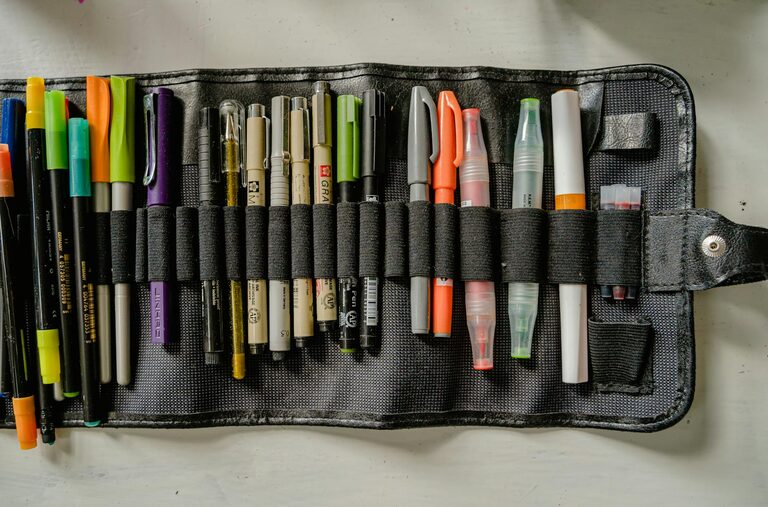
– Add storage: Use bins, drawers, or shelves to organize paper, crayons, paints, and tools.
– Include display space: A bulletin board or magnetic strip lets kids showcase recent artwork.
This focused area encourages creativity and makes tidying up part of the routine.
2. Sort Regularly
Artwork can pile up fast. Make it a habit to sort and review art every few weeks.
– Keep the best: Select favorites to store or display.
– Recycle or repurpose: Teach kids that some creations can be recycled or turned into new projects.
– Document before discarding: Photograph or scan work you decide not to keep physically.
Regular sorting prevents clutter and helps you keep only meaningful pieces.
3. Use Art Storage Solutions
There are many practical products designed to help store kids’ artwork neatly.
– Portfolios: Large, zippered folders hold flat items like drawings and paintings.
– Expandable file folders: These allow you to organize art by date, type, or child.
– Storage bins: Plastic bins or boxes can protect bulky 3D projects.
– Art binders: Sheet protectors inside binders offer a compact way to store and flip through artwork.
Choose storage that fits your available space and the types of creations your kids produce. Label containers to make retrieval easy.
4. Digitize Artwork
Digitizing kids’ artwork is an excellent way to preserve memories without physical clutter.
– Scan or photograph: Capture high-quality images of drawings, paintings, and crafts.
– Organize files: Store images on your computer, external drives, or cloud storage, using clear file names and folders.
– Create digital galleries: Share artwork with distant family via albums or websites.
– Make photo books: Compile favorite pieces into printed books as keepsakes or gifts.
Digitization allows you to enjoy and revisit artwork anytime without bulky storage.
5. Display Art Creatively
Showcasing your child’s artwork honors their creativity and adds cheerful decor to your home.
– Gallery wall: Use frames or clipboards to create a rotating art display.
– String display: Hang a clothesline or wire with clothespins to easily swap out art.
– Magnetic boards: Let kids stick up their latest work and change it whenever they want.
– Art bookshelves: Use ledges or picture rails to lean framed or canvas pieces.
Aim for an organized but flexible display area that celebrates creativity without overcrowding.
6. Encourage Art as Gifts or Cards
Transforming artwork into gifts or greeting cards provides a meaningful way to both manage art and share creativity.
– Birthday and holiday cards: Fold drawings and paintings to make personalized cards.
– Gift wrap: Use large sheets as unique wrapping paper.
– Gifts for relatives: Frame or laminate pieces as presents for grandparents and others.
– Craft projects: Incorporate old artwork into new crafts like collages or bookmarks.
This helps artwork find new purposes and reduces the volume you keep at home.
7. Label and Date Artwork
Labeling art with the child’s name and date adds context and helps organize pieces over time.
– Use a pencil or light marker: Write the date and any special notes on the back.
– Track progress: Over the years, you’ll see your child’s changing style and skills.
– Combine with storage: Use labels on file folders or boxes to indicate contents.
This simple step boosts the sentimental value of saved pieces.
8. Get Kids Involved
Including children in the organization process teaches responsibility and respect for their creations.
– Sorting choices: Let kids pick which pieces to keep or recycle.
– Design display areas: Kids can help arrange artwork for display.
– Maintain the art station: Encourage tidying up and restocking supplies.
When kids take ownership, organizing becomes a positive habit rather than a chore.
—
Final Thoughts
Organizing kids’ art might seem overwhelming at first, but a little planning goes a long way. Creating dedicated spaces, sorting regularly, choosing smart storage options, and involving your child will help you celebrate their creativity while keeping your home neat and welcoming.
Try these ideas one step at a time and enjoy preserving those colorful memories for years ahead. After all, each scribble and stroke is a treasured milestone in your child’s growth—and with good organization, those memories can shine bright!